Tuckpointing & Repointing Services
Professional mortar restoration that stops water damage, strengthens your masonry, and extends the life of your brick.
What Is Tuckpointing and Why Does It Matter
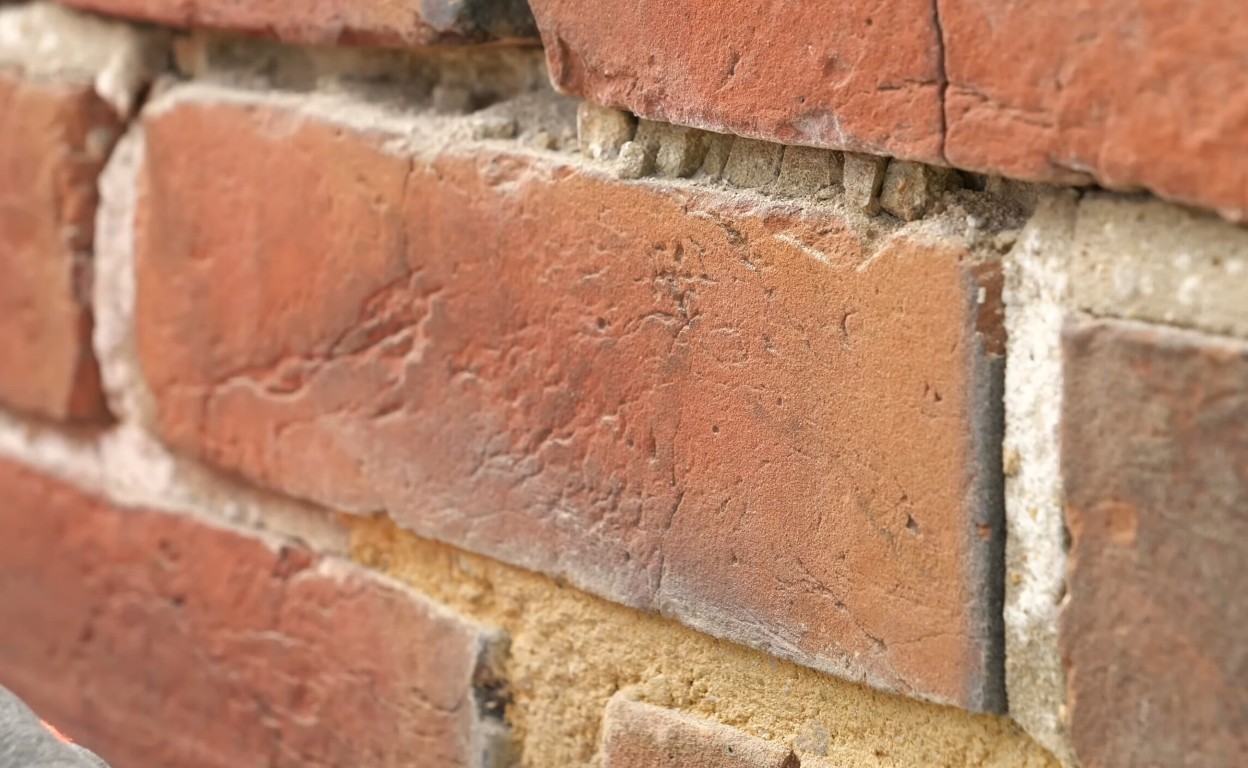
The mortar between your bricks does more than hold everything together. It creates a weathertight seal that keeps water out of your walls. Over time, that mortar breaks down. Louisiana's humid climate, temperature changes, and water exposure all wear away at those joints. When the mortar deteriorates, water gets behind your brick and causes serious damage. That's where tuckpointing comes in.
Tuckpointing is the process of removing damaged mortar and replacing it with fresh material. We carefully grind out the old, crumbling mortar to the proper depth, then fill those joints with new mortar that's mixed to match your existing color and composition. The result is stronger, weathertight joints that protect your brick and restore the look of your masonry. Some people call this process repointing, and they're talking about the same thing. The terms are used interchangeably in the masonry industry.
Here's why this matters for your home. Water is the biggest threat to brick masonry. When mortar joints fail, water seeps in and freezes during cold snaps. That freeze-thaw cycle breaks apart the brick itself, leading to spalling and structural damage. Tuckpointing stops this process before it ruins your brick. It's preventive maintenance that saves you thousands of dollars in future brick replacement costs. We recommend tuckpointing as soon as you notice crumbling or missing mortar, before the problem spreads to your brick.
Signs Your Mortar Needs Attention
Most homeowners don't look closely at their mortar joints until something obvious goes wrong. But if you know what to watch for, you can catch problems early when repairs are simpler and less expensive. Here's what we look for during masonry inspections.
Warning Signs That Mean It's Time for Tuckpointing
- •Crumbling mortar: If you can easily scrape out mortar with a screwdriver or your finger, the joints have deteriorated and need replacement.
- •Gaps in the joints: Missing mortar creates openings where water enters freely. These gaps grow larger with every rain.
- •Cracks running through joints: Hairline cracks in mortar indicate the beginning of joint failure and will widen over time.
- •Loose or shifting bricks: When mortar fails completely, bricks lose their support and can become dangerously loose.
- •White powder on brick: Called efflorescence, this indicates water is moving through your mortar joints and bringing salts to the surface.
- •Interior water damage: Stains on interior walls near brick exteriors mean water is getting through failed mortar joints.
If you see any of these signs, it's time for a professional evaluation. We offer free inspections where we check your mortar joints, identify problem areas, and give you an honest assessment of what needs to be done. Catching mortar problems early means simpler repairs and better long-term protection for your home.
How Professional Tuckpointing Works
Tuckpointing looks straightforward, but doing it correctly requires skill, the right tools, and quality materials. Cut corners on any of these, and you'll end up with joints that fail within a few years. Here's how we approach every tuckpointing project to ensure lasting results.
Our Step-by-Step Process
We start by carefully removing the damaged mortar using specialized grinders and hand tools. The depth matters. We remove mortar to about twice the width of the joint, typically around three-quarters to one inch deep. This gives the new mortar enough surface area to bond properly. Shallow repointing might look fine at first, but it fails quickly because there's not enough new mortar to hold.
Next comes mortar mixing. This is where experience makes all the difference. We analyze your existing mortar to determine the right mix of cement, lime, and sand. Historic homes often need lime-based mortar to match the original composition and allow proper moisture movement. Modern homes typically use Portland cement-based mixes. We also color-match the mortar by adjusting the sand color and adding pigments when needed. The goal is new joints that blend seamlessly with your existing work.
The installation itself requires patience. We pack fresh mortar into the clean joints in layers, compressing it firmly to eliminate air pockets. Once the mortar reaches the right consistency, we tool the joints to match your existing profile, whether that's concave, flush, or weathered. This tooling isn't just for looks. It compresses the surface and helps shed water away from the joints.
Proper Curing Makes All the Difference
After installation, proper curing is critical. We keep the fresh mortar damp for several days to allow it to cure slowly and develop full strength. Mortar that dries too fast becomes weak and crumbly. In Louisiana's heat, we sometimes use misting or damp burlap to control the curing process. This extra step ensures your new mortar will protect your brick for decades, not just years.
Frequently Asked Questions About Tuckpointing
Protect Your Brick with Expert Tuckpointing
Don't let failing mortar damage your brick. Contact MEM Metairie Masonry for a free inspection and estimate.